
A naive 22 year old —fresh off a plane from Texas— becomes embroiled in L.A.’s jet-set lifestyle during the late 1960’s.
Life is great…until new pal Dennis Wilson of The Beach Boys introduces him to a charismatic guru named Charles Manson; a violent psychotic with extraordinary charisma and an apocalyptic vision of himself as Jesus Christ…for whom this young man will kill seven people in cold blood eighteen months later.
“Cease to Exist” is the true, firsthand account of the journey into madness of the Manson Family through the eyes of the killer of all seven victims, Charles “Tex” Watson. The producers have acquired Watson’s autobiography, and have adapted it into a feature film screenplay and an episodic breakdown for a limited series.
“My generation wasn’t the first to get hooked on the magical appeal of California. The perfect climate, the orange trees, then Hollywood and the chance to become a film star (our democracy’s answer to royalty).
California meant beaches and surfing and endless summers. My brother had collected almost every album The Beach Boys made and I heard them from behind his door, singing about “California Girls” in a way that made Texas women seem a little less exciting …. singing about the surfing that was some kind of golden fantasy for us, but a way of life in California.
I could never have imagined that one day one of those superstars would take me into his home and introduce me to an aspiring rock singer named Charlie.”
-Charles Watson
Like many thousands of other impressionable kids seeking the freedom, good times, and easy living that the culture of the decade promised, Charles Watson, high school track star from Copeville Texas, came out to LA. Here he found the good life, rubbing elbows with musicians and movie stars…and meeting their friend, Charlie.
What he didn’t know was that this gentle, charismatic guy —whom the Hollywood jet-set embraced as a purveyor of good dope and easy girls— was a violent psychotic with extraordinary abilities for seduction and an apocalyptic vision of himself as Jesus Christ.
Within eighteen short months, the young Texan would slaughter seven innocent people in cold blood for his guru Charles Manson in what have been acknowledged as among the most infamous and heinous crimes of the last 100 years.
Cease to Exist is the first person account of descent into the madness of the Manson Family, directly through the eyes Manson’s right-hand man —and murderer of all seven of the Tate-LaBianca victims — Charles “Tex” Watson.
“Charles ‘Tex’ Watson was perhaps Manson’s best piece of work. A high-school track star who turned hippy and came to L.A. like millions of other kids to find ’60s grooviness.
Instead he met Manson and was turned into a killer zombie in just ten LSD, belladonna-drenched months.”
-Film director John Waters (in The Huffington Post)
Through ‘Tex’ Watson’s eyes, audiences will witness the Manson Family from a perspective that is not only authentic, unique, and chillingly close, but which sheds unexplored light on the social and political climate of the times and its contribution to the conditions that made such an unthinkable thing almost inevitable.
Narrated by Watson directly from the rich, borne-of-hindsight accounts in his autobiography, the audience will accompany him on his descent, and will —as if he were a likeable character in a horror film about to open the door that is their doom— yearn for him not take each next step. The fact that so few people know it was Watson that did the vast majority of the killing will make it all the more suspenseful.
“San Francisco may have soured, and the flowers may have been turning to plastic in Los Angeles, but that didn’t stop the kids.”
-Charles Watson
“Cease to Exist” is the Manson saga from a completely fresh perspective; one that is brimming with heretofore only partially known or entirely unknown facts, and which doesn’t have to fictionalize anything or employ gimmicky storytelling to remain engrossing. And, it’s entirely true.
At its heart, this is the cautionary tale of a young man’s downward spiral to self-annihilation as he gets caught up in the times and the events that forever changed those times. On this journey the audience will encounter a series of historical pop-culture figures, bizarre counter-culture characters and events, and will witness firsthand the death throes of the most dynamic, exciting, and influential decade in American history.
Aside from the insiders’ perspective and unparalleled level of authenticity, Watson’s journey also contains direct witness accounts many details heretofore unknown except by the most die-hard aficionados of the case. He was there to experience head-on things that audiences will find incredible:
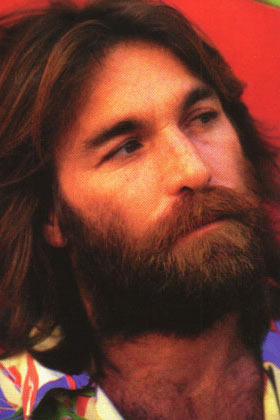
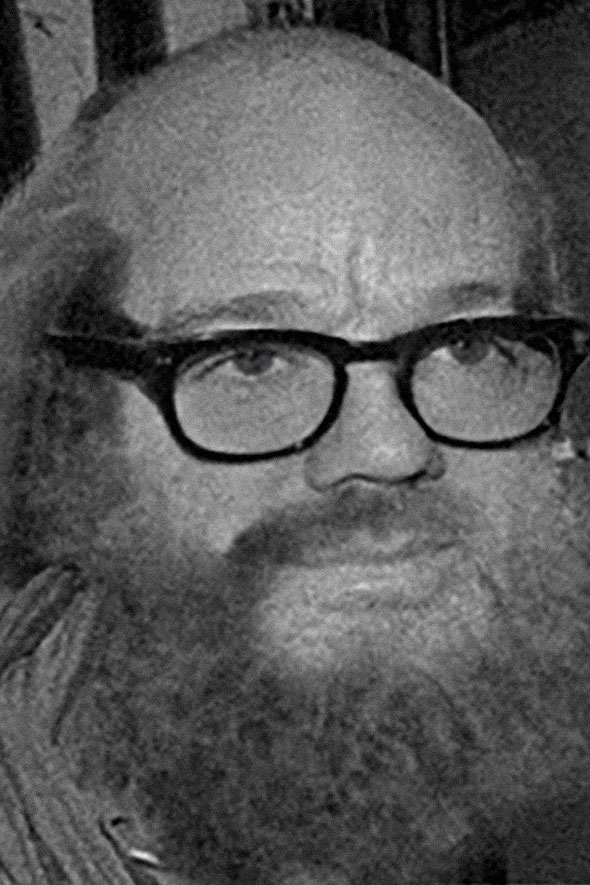

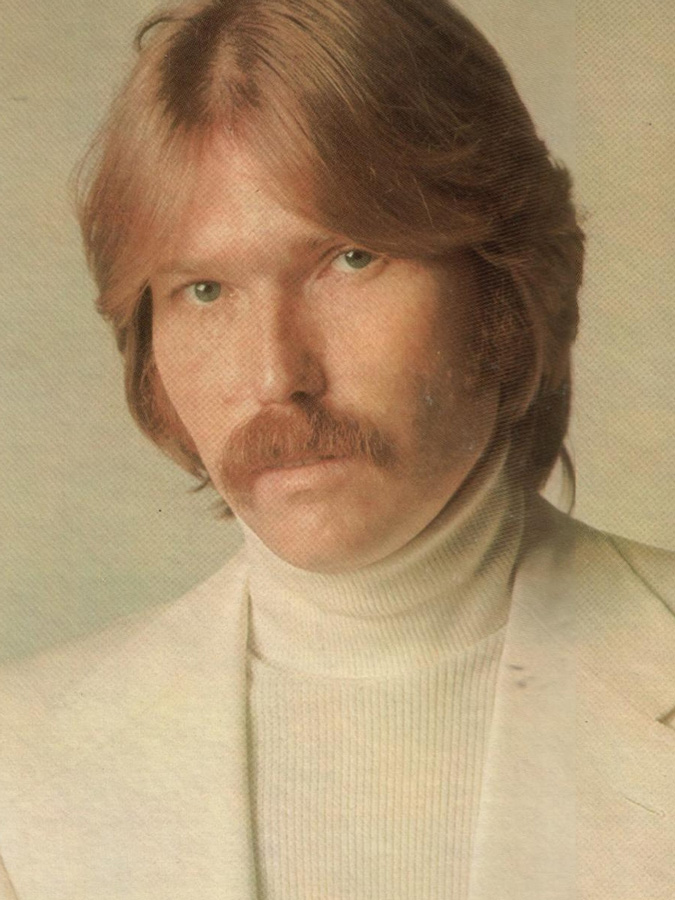
One of the major contributors to the motive –and choice of venue- for the killings was the perceived ‘rip-off’ of aspiring rock star Charles Manson’s song “Cease to Exist” by his friends, The Beach Boys.
Charles Watson’s introduction to Charlie Manson comes through Beach Boy’s drummer Dennis Wilson, who Watson picks up hitchhiking on Sunset (after Wilson’s Rolls is totaled).
Watson’s primary guide into The Family was a middle-aged former Methodist minister who had come to LA to rescue his 15 year old daughter from Charles Manson. This minister was instead converted, and soon became The Family’s most devoted member and chief evangelist of ‘The Gospel According to Charlie’.
Watson’s story contains multiple, earlier visits to Doris Day’s son in the house on Cielo Drive where new resident Sharon Tate and four others would be slaughtered months later.
Having been a prime subject of Manson’s artful control himself —and having twice escaped it—Watson’s experience offers a unique insight into how otherwise normal suburban kids can be turned into monsters capable of such great evil. Manson was a masterful manipulator of people. He took full advantage of Watson’s search for freedom from his small town parents, the glamor of Hollywood, and –again, as so many others of the baby boom generation— ripe for a ‘new’ vision of Jesus Christ, free from the stodgy, ‘uptight’ churches of parents and pastors*.
He was there at the moment Manson first heard The White Album, Manson’s reaction to the track ‘Helter Skelter’ being so extreme that Watson runs from the Family, until Charlie’s programming draws him back.
His story contains Manson’s shooting of a black pimp in Hollywood, ….and numerous other, heretofore little known characters and events that are fascinating, entertaining, and engrossing.
Audiences will be surprised that it was Charles “Tex” Watson that did the vast majority of the killing, but he’s been virtually written out of the lore, primarily due to the fact that he was not part of D.A. Vince Bugliosi’s case, and therefore not much mentioned in “Helter Skelter”.
And of course there are the murders themselves, the murders, which are clumsy and awkward —about as different from the stylized, manicured violence in movies and television as imaginable, and therefore all the more horrific.
* The world often forgets how big a movement this was in the late 1960s and ’70s. The “Jesus Freaks” were a major cultural force (think Andrew Lloyd Weber’s “Jesus Christ Superstar” ). The major non-demoniational ‘mega-churches’ of today find their origins with then-young people rejecting the Christianity of their parents for their own ‘personal relationship with God’.
“These children that come at you with knives, they are YOUR children”
—Charles Manson
Other renderings of this saga have been sensationalist fiction, conspiratorial nonsense, fantasy like Tarantino’s film, or police procedurals like “Helter Skelter”. This is a truly different production from the others, with the benefit of primary-source authenticity and an easy to follow story arc.
It’s a serious and engrossing true-crime drama in a period setting richer than “Madmen”, and containing the elements to make it an entertaining, award-caliber production. It has sex, drugs, violence, Black Panthers, celebrities, bikers, a music industry rip-off, a future presidential assassin, a cast organically containing young people, and great locations all presented with an unrivaled authenticity.
It is the stuff of truly memorible and thought provoking entertainment.
“The Sixties ended abruptly on August 9, 1969”
—Joan Didion
An American Tragedy